Apr 5, 2024 | Health and Wellbeing
6 ways to stay safe on a night out
- Stay with your friends- If you are not able to find them and decide to go home, it is a good idea to order your taxi from inside the premises you are in and wait there until it arrives.
- Try and arrange a drive home and go with someone you know. Using a taxi app, such as FreeNow. This allows you to have full information on the driver, such as license and car type without having to take the information down yourself.
- Have emergency money- It is a good idea if you are on a night out to keep some money on you separate to your wallet or purse. By doing this it means that if your lose it or it gets stolen that you will still have some money to get a taxi home if you need to.
- Avoid taking drinks from a stranger- If you are on a night out avoid taking drinks from people you don’t know or leaving your drink unattended. If you want to dance or go to the bathroom, you should avoid leaving your drink alone. Where possible leave it with someone you trust or finish your drink before leaving the table.
- Charge your phone- Fully charge your phone before you go on a night out. Having a working phone means that you can call someone if something goes wrong. It also means that you can use it to book a taxi or call someone to come collect you. You should also try to have credit on your phone before you go out.
- If you decide to go home with someone- tell your friends, the address and their full name. Always use protection. If you are a female on contraception, it is important to use a condom to protect against STI’S.
All of this information is available on SpunOut
Apr 5, 2024 | Leisure, Sports/Travel
Road Safety for young adults is particularly important, due to lack of experience on the road. The Road Safety Authority in Ireland advocate for road safety for all road users. To learn more visit https://www.rsa.ie/road-safety
Key risk factors for young drivers- Carrying passengers- Research shows that peer pressure can encourage bad driving and result in drivers ‘showing off’ to their passengers and taking more risks. Newly qualified drivers with a car full of passengers of similar age are four times more likely to be in a fatal crash, compared with when driving alone. However, when carrying older adult passengers, young drivers are less likely to crash, indicating it is peer pressure rather than simply the presence of passengers that raises the risk.
Driving at night- Young drivers have a higher proportion of crashes in the evenings and early mornings. Driving at night also requires extreme care. Young drivers may be under the impression that because roads are quieter at night it is safer for them to speed or pay less attention. In fact, driving at night takes more care due to poorer visibility, and greater likelihood of drink drivers or drunk pedestrians on the roads.
Speeding- Young people often drive too fast because they underestimate the risks associated with speeding, and crashes occur because they do not have to react to a dangerous situation and control their vehicle to avoid a collision.
Drink and drug driving- Drivers in their 20s self-report as having the highest rate of driving when over the drink-drive limit of all age groups.
The consequences of drink and drug driving are extremely serious. People involved in a road traffic incident are more than just a number for the Road Safety Report, they are someone’s family, friend, colleague, or neighbour.
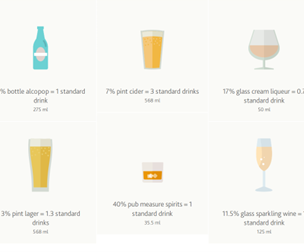
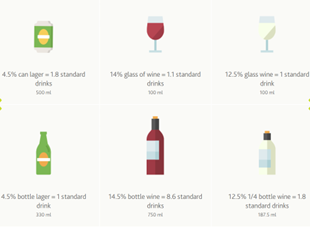
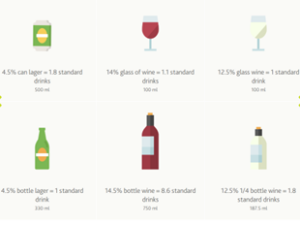
It takes at least one hour to process one standard drink. Visit Drink Aware for more information on what is a standard drink.
Mobile Phones
Despite this, evidence suggests young drivers are more likely than older drivers to use their mobile phones at the wheel: the RAC has found that around half of young people (aged 17-24) admit to using their mobile phone behind the wheel, the highest proportion of all age categories.

Apr 5, 2024 | Leisure, Sports/Travel, News & Events
What is there to do in Kerry?
Sports/ Clubs & Societies
- (KRSP) Kerry Recreation and Sports Partnership Tralee – aims to increase participation in sport and physical activity and, thereby, the creation of a more active, more inclusive, and healthier society. Contact information 066 718 4776 / info@kerryrecreationandsports.ie
- GAA Football clubs in Kerry- https://www.kerrygaa.ie/clubs/
- Visit the Aquadome, an indoor pool with fun slides and water effects. Open 10am-10pm Monday – Friday and 10am-7pm weekends. https://aquadome.ie/
- Killarney Sports and Leisure Centre Open 10am-10pm Monday – Thursday, 10am-9pm Friday and 10am-7pm weekends. https://killarney.coralleisure.ie/
- Tralee Park runs happen every Saturday @9:30am. Take place at Tralee Town Park, Denny Street, Tralee, Co. Kerry.
There are multiple clubs and societies available in the MTU Munster Technological University. To view clubs https://www.mtu.ie/campus-life/clubs/ and to view societies https://www.mtu.ie/campus-life/societies/.
There are various clubs and societies depending on your interests. If you need more information contact KDYS Youth Information 087 7801575 / 085 8075996.
Entertainment
- Bowling Buddies in Tralee https://bowlingbuddiestralee.com/
- Omniplex Cinema located in Killarney and Tralee
- Killarney Skate Park located beside Killarney Sports and Leisure club.
Adventure
In Kerry we are fortunate to have some of the most beautiful beaches, national parks and hidden gems dotted across the county. For more information visit https://www.discoverkerry.com/